

When Dungeons & Dragons is mediocre, it feels like math. When it’s great, it feels like Must-See TV. The difference isn’t mechanics. It’s character.
I played 1st Edition D&D as a kid and fell back in love with 5th Edition during the pandemic. When played well, tabletop role-playing games can be as satisfying as your favorite television show.
The key is CHARACTERS. Specifically, their flaws and backstories must be actionable and woven into the plot so the story becomes a pressure chamber for their fears.
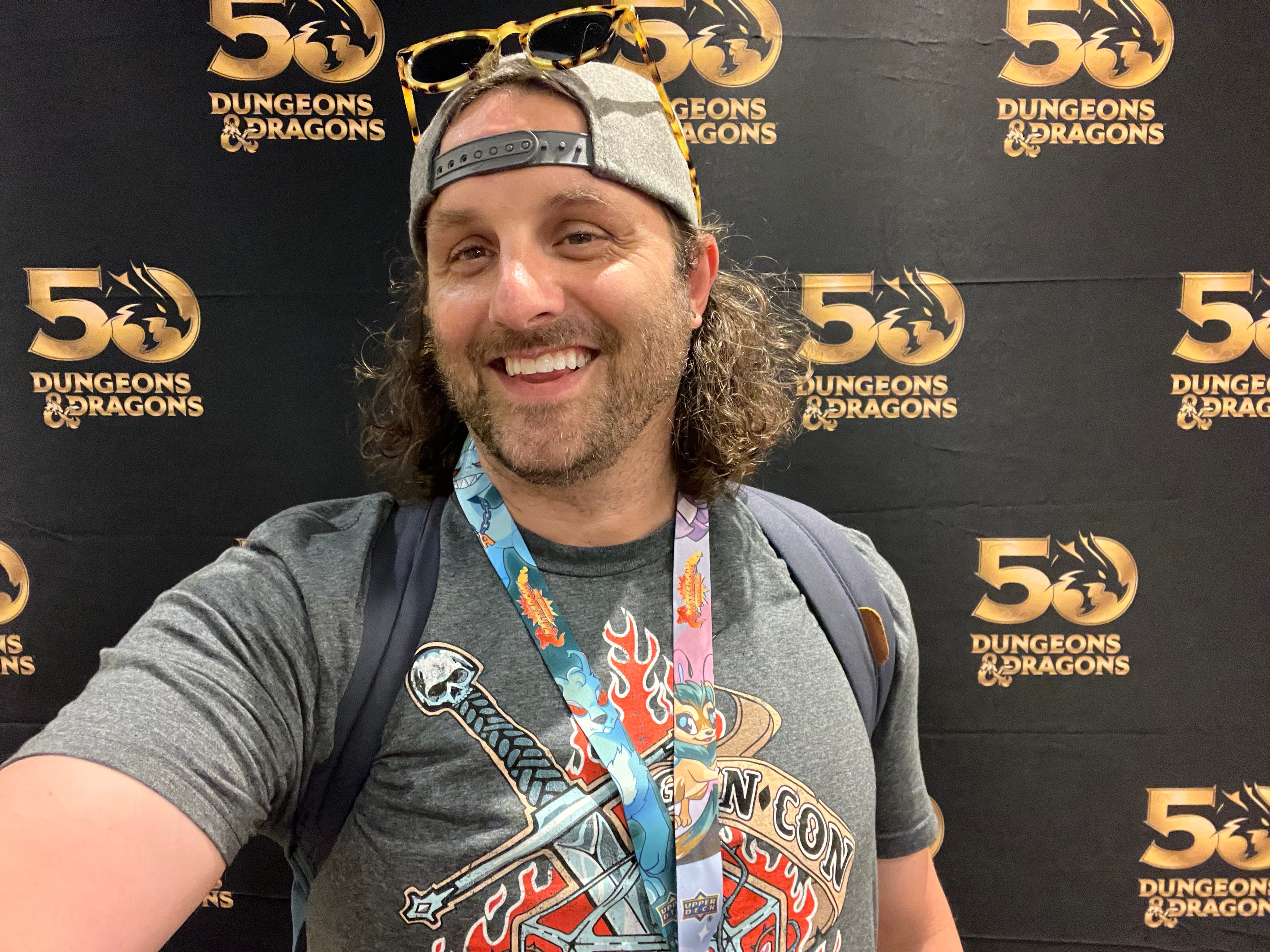
This may seem obvious or slightly trivial, but since returning to D&D, I’ve attended ten conventions, including two Gen Cons. I’ve played one-shots, multi-week dungeon crawls, and long homebrew campaigns. Outside of the homebrews, most sessions built from published modules feel divided. The plot runs on one set of rails while the characters move on another.
Why do homebrews feel different? Because the people who build their own worlds tend to go further with character creation and development.
This style of play should not be limited to groups with a Dungeon Master who can spend hours prepping. If modules were built around characters with actionable flaws, and if Player Characters truly evolved through their point of view, alignment, and backstory, both DMs and players would be fully invested in the story.
The first line of the 2024 Dungeon Master’s Guide reads, “Dungeons & Dragons is a game in which you and your friends take on roles and tell a shared story.” It isn’t only about character design, and it isn’t solely on the DM to improvise. PCs must stay present and make decisions grounded in who their characters actually are.
BACKSTORIES
There are only sixteen backgrounds in the 2024 Player’s Handbook. While the designers untethered feats from species, the list remains narrow, and the motivations behind those backgrounds rarely shape play.
This isn’t about accents or method acting. It’s about decision-making under pressure. I often pause mid-session and ask, What would this character actually do?
Knowing your character deeply and acting accordingly creates stories that bring groups back week after week.
ALIGNMENT
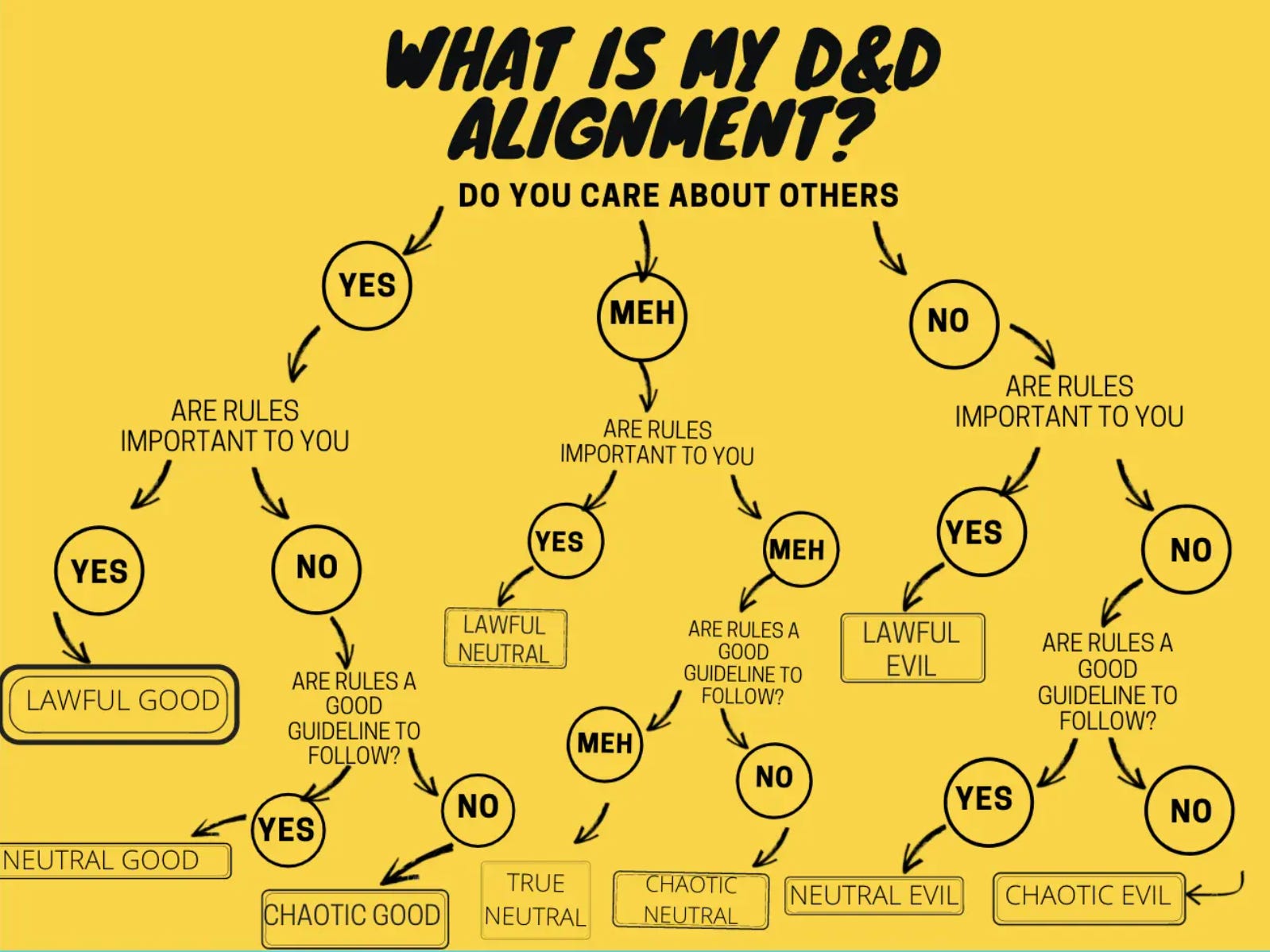
The alignment system in Dungeons & Dragons has shifted from moral law to narrative suggestion.
In early editions like Advanced Dungeons & Dragons, alignment was structural. It defined not just personality but cosmic allegiance. Law and Chaos were metaphysical forces. Good and Evil were objective realities. Spells detected alignment. Magic items punished characters of the wrong moral type. Paladins could lose their powers. Entire outer planes were organized around moral philosophy. Alignment wasn’t flavor. It was architecture.
By 5th Edition and the 2024 revision, alignment softened. Fewer mechanics depend on it. Detect Evil targets creature types rather than personal morality. Class restrictions are rare. Alignment is now descriptive rather than prescriptive.
Early D&D treated morality as cosmic physics. Modern D&D treats it as character psychology.
Alignment once carried consequence. Now it functions more like a roleplaying prompt. We don’t need to return to the old system, but we do need to keep consequences real.
DOMAIN PLAY
At higher levels, characters can begin to feel untouchable. That is where domain play introduces Game of Thrones-level intrigue. When characters rule something, the world pushes back. A Bastion isn’t a trophy. It is an obligation. It demands maintenance, loyalty, resources, and moral judgment.
The tension shifts. Instead of asking whether the wizard can defeat a dragon, the question becomes whether she should risk war with a neighboring duchy to protect her people. Instead of looting a dungeon for gold, the party must decide how justice is enforced, who is protected first in famine, and how succession is secured.
Domain play sharpens character flaws. The greedy rogue must balance profit against public trust. The zealot cleric must weigh doctrine against stability. The chaotic ranger must confront what freedom means when others depend on him.
At high levels, characters can change the world. Domain play makes them responsible for it. Responsibility turns spectacle into drama, and drama keeps players showing up.
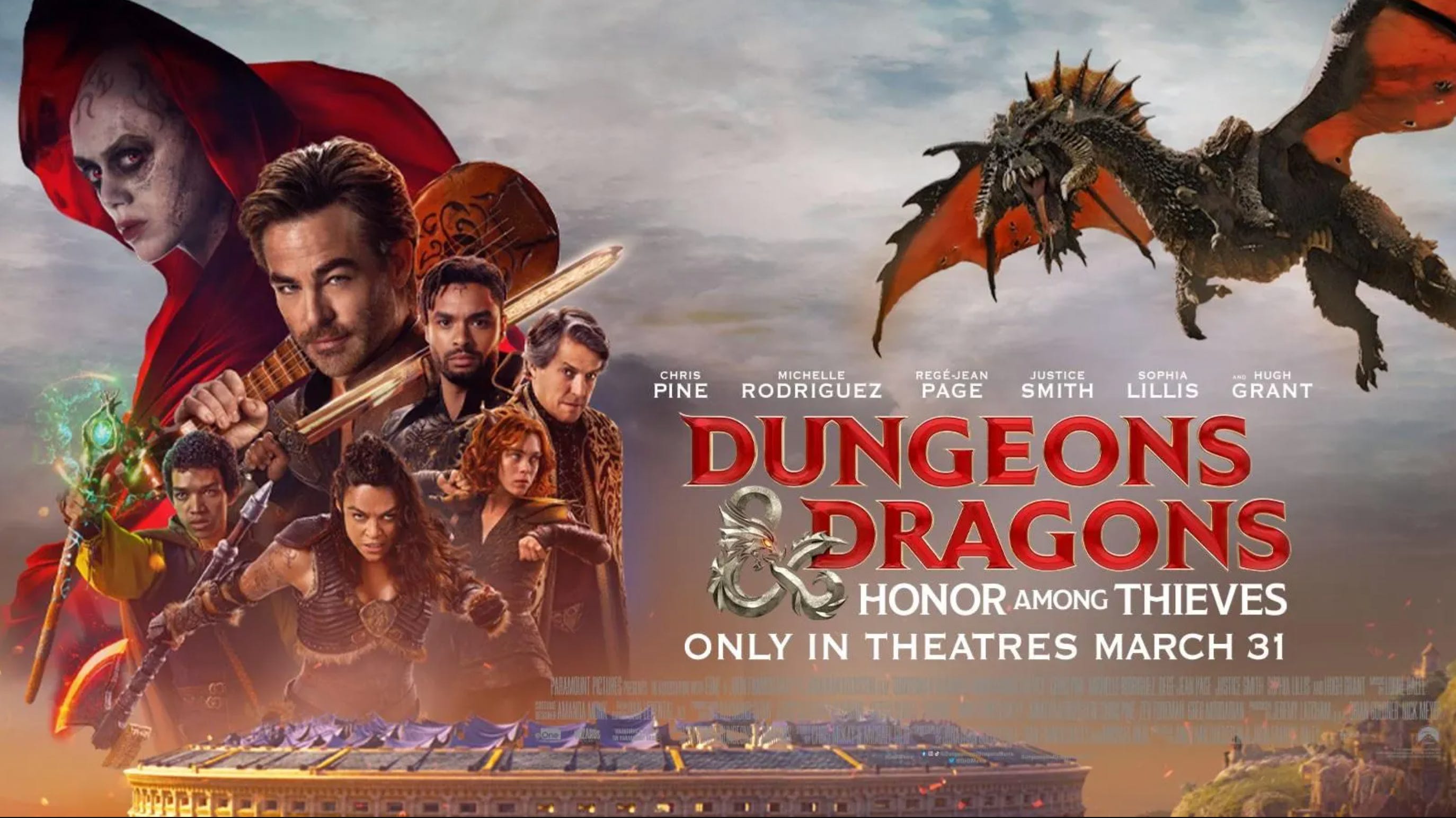
If this sounds nerdy or niche, buckle up. The recent D&D film, Honor Among Thieves, drew major audiences. A television series based on Baldur’s Gate 3 is in development from the creators of The Last of Us. Fifty years of content rival any major fantasy franchise.
The biggest complaint about D&D isn’t balance. It’s commitment. Groups fall apart when the story loses weight. Build characters whose flaws demand resolution. Build worlds that respond to their choices.
Do that, and your table won’t feel like game night. It will feel like something people cannot wait to watch.